
SUMMER CAMP RESOURCES
BE PREPARED.
BEFORE, DURING, AND AFTER CAMP.
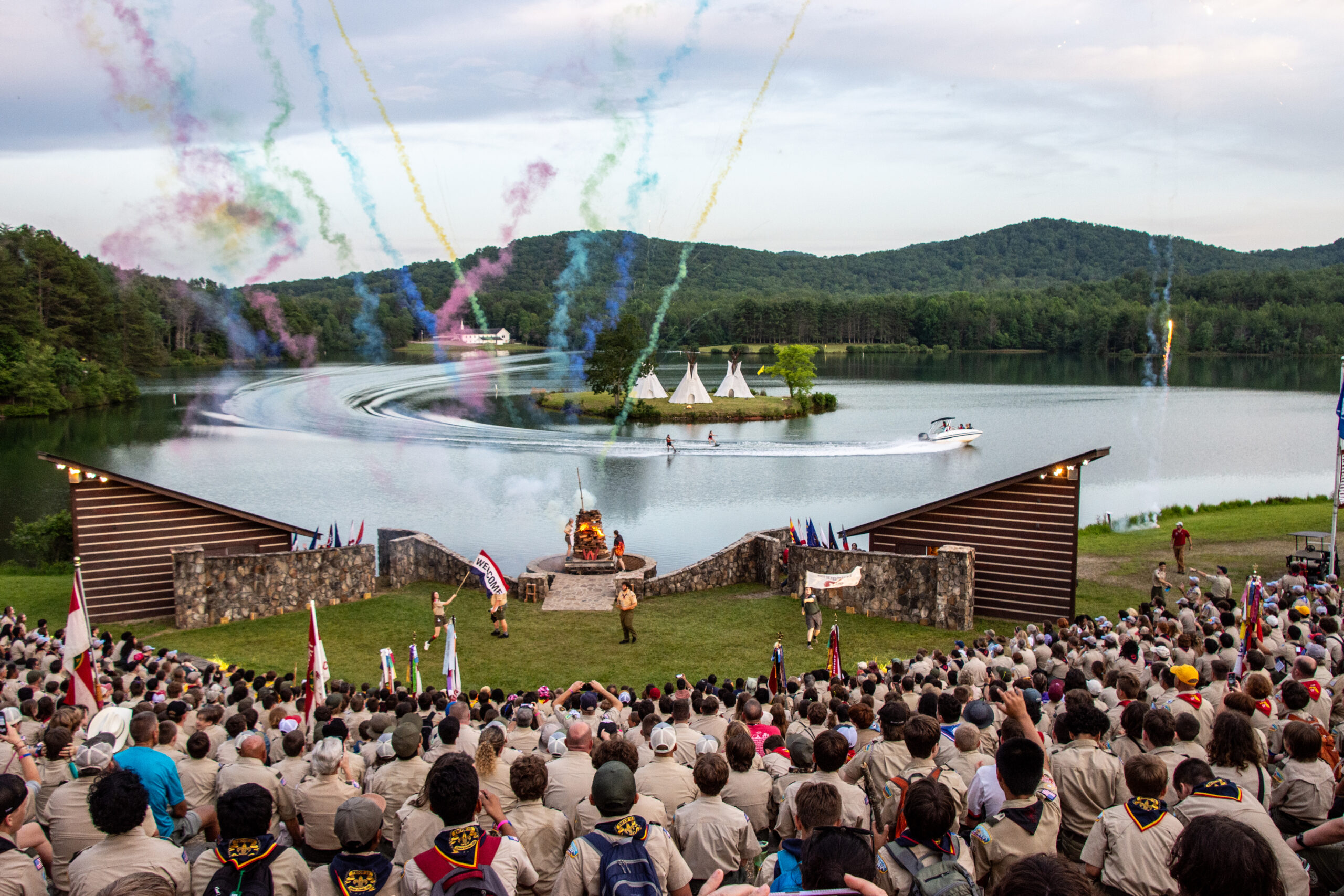
Summer camp is a highlight of the Scouting year—a time for adventure, personal growth, new challenges, and friendships that last a lifetime. Woodruff Scout Camp and Bert Adams Scout Camp offer complete summer camp programs filled with advancement, outdoor adventure, and classic Scouting experiences.
At Allatoona Aquatics Base, Scouts can take their adventure to the water through summer aquatics merit badge courses, weekend camping opportunities, and specialized training programs. Wherever your Scouting adventure takes you, we want to make planning and preparation as easy as possible.
This page brings together the essential resources Scouts, families, and unit leaders need to prepare for an unforgettable Atlanta Area Council camp experience. From planning and packing to forms and arrival information, you’ll find the tools you need to handle the details and focus on what matters most: adventure, friendship, and the Scouting experience.
For camp-specific information, including schedules, menus, activities, and important planning details, visit the Summer Program Guides.
LEARN MORE
BEFORE CAMP
What to Know Before You Go: A great camp experience starts well before you arrive at the camp. Use this checklist to make sure your unit is prepared for camp. Taking care of these essential steps ahead of time will help your Scouts arrive ready to jump into the adventure.
Key Action Items:
- Documentation: Confirm that all required Scouting medical forms are complete, current, and properly signed.
- Finalize Your Roster: Double-check your online camp registration and confirm that all participants attending camp are officially registered members of your unit and appear on your my.scouting unit roster. All adults staying overnight must be currently registered with Scouting and have current Youth Protection Training (YPT). *Limited exceptions apply to certain Cub Scout overnight programs.
- Program Readiness: Complete merit badge and program sign-ups, and review the Program Guides for prerequisites and other camp-specific requirements.
- Logistics & Travel: Finalize your transportation plan and camp payments, and clearly communicate arrival and departure expectations with participating families.
Preparing the Troop for Success
As a Senior Patrol Leader or Patrol Leader, you play an important role in getting your troop excited, organized, and ready for camp. A well-prepared troop spends less time sorting out details and more time enjoying the adventure!
- Gear Check: Hold a “Pack-at-the-Meeting” night to help Scouts prepare together. Make sure every Scout has the 10 Essentials, proper footwear, and the personal gear needed for camp.
- Program Planning: Review the Program Guide with your Patrol Leaders. Talk through program choices, activities, and troop plans. Who is taking what? What will your troop do together? And, of course, do you have a plan for the troop campfire skit?
- Set the Standard: Help your fellow Scouts understand what to expect at camp and review the Expectations & Guidelines together. As a youth leader, your attitude and example help set the tone for the entire troop from day one.
Getting Your Scout Ready
Preparation at home helps ensure your Scout has a safe, fun, and successful camp experience. Focus on the essentials: health forms, packing, program preparation, and knowing what to expect before arrival.
- Health Forms: Complete Parts A & B of the Annual Health and Medical Record as the parent or guardian. Part C requires a physical examination and must be completed and signed by a qualified healthcare provider for Scouts BSA summer camp and Scouting events lasting more than 72 hours.
- Smart Packing: Review the Suggested Packing List with your Scout and pack together so they know what they are bringing and where to find it. Label personal items with your Scout’s name and unit number.
- Program Prerequisites: Review your Scout’s merit badge and program selections for any prerequisites or requirements that should be completed before arriving at camp.
- Communication: Complete the Summer Camp Parent Quick Reference so you have important camp information and know how to stay connected while your Scout is away.
LINKS
DURING CAMP
Leading from the Back
Your primary role at camp is to support the health, safety, and morale of your unit. Give your youth leaders room to lead the program while you help keep an eye on hydration, sunscreen, well-being, and the overall pulse of the unit.
Attend Daily Leader Meetings
Attend the daily leader meeting to receive important schedule updates, weather alerts, program changes, and other information your unit needs for the day ahead.
Check Advancement Midweek
Don’t wait until Friday to review advancement. Check with the camp office or program area directors during the week to make sure your Scouts’ participation and requirements are being recorded correctly and to address any concerns before the end of camp.
Enjoy Yourself!
Camp isn’t just for the Scouts! There are plenty of activities, programs, and opportunities designed specifically for adult leaders. Be sure to review the Summer Program Guide to discover what’s available and make the most of your own camp experience.
Own the Program
As the Senior Patrol Leader, you are your troop’s primary youth point of contact with the camp staff. If your troop needs assistance, has a question, or needs clarification about the schedule, take the lead in finding answers and keeping everyone informed.
Attend the Daily SPL Meeting
Stay connected with what’s happening around camp by attending the daily SPL meeting. You’ll receive important updates and help coordinate activities such as inter-troop competitions, campfire programs, service projects, and other opportunities for your troop.
Set the Tone
Your leadership sets the example for the entire troop. From campsite cleanliness and uniforming to teamwork, participation, and Scout spirit, your attitude makes a difference. Lead by example, encourage others, and keep the energy high throughout the week.
The “No News Is Good News” Rule
Camp is an opportunity for Scouts to build confidence and independence while enjoying new experiences with their friends and troop. Unless you hear otherwise from your unit leadership or camp staff, you can generally assume your Scout is having a great time and making the most of their camp experience.
Staying in Touch
Mail can take several days to reach camp, especially in more remote locations. If you would like your Scout to receive a letter or card while they’re away, consider mailing it before they leave home so it arrives during their stay.
Visitors
If you plan to visit during camp, please review the camp’s Visitor Policy & Check-In Procedures before arriving. Following these procedures helps us maintain a safe and secure environment for all Scouts, leaders, and camp staff.
LINKS
AFTER CAMP
Finalize Advancement
Before leaving camp, verify that all advancement records are complete and accurate, then download or save a copy for your unit records. Once the session ends, these records may be considered final.
Care for Your Gear
Clean all unit equipment and make sure it is completely dry before storing it. Proper care after camp helps prevent mold, mildew, and damage so your gear is ready for the next adventure.
Keep the Momentum Going
For more post-camp tips, read What Smart Scout Leaders Do Right After Summer Camp.
Reflect as a Unit
At your next meeting, lead a “Roses, Buds, and Thorns” discussion to celebrate what went well, identify opportunities for improvement, and capture ideas for making next summer’s camp experience even better.
Keep the Momentum Going
Build on the skills, confidence, friendships, and Scout spirit gained at camp. Use that enthusiasm to help plan your unit’s fall outings and outdoor adventures, and encourage Scouts to continue practicing the skills they learned over the summer.
The "Camp Funk"
Wash everything—including the sleeping bag—immediately to clear out the trail dust and woodsmoke.
Decompression
Expect an exhausted Scout. Focus on hydration, a long shower, and listening to their stories as they catch up on sleep.
LINKS
SUMMER CAMP PROGRAM GUIDES
Woodruff Scout Camp and Bert Adams Scout Camp each have a dedicated Summer Camp Program Guide downloadable PDF with everything you need to plan your week at camp. Explore camp-specific information including merit badges, activities, program opportunities, daily schedules, menus, and more.
Program information for the upcoming summer is released each April. Until then, the current guides reflect the previous summer’s programs and provide a helpful overview of the activities and experiences you can expect at camp.
LINKS
TRAVEL & PACKING
Whether you’re traveling by plane, train, or automobile—here’s what you need to know to get to camp safely and confidently. Plus, helpful packing lists and tips.
Safe transportation is essential when traveling to camp. All drivers should follow Scouting guidelines for seatbelts, supervision, rest breaks, and vehicle safety. Before hitting the road, review the official resources below to help ensure your trip meets Scouting’s safety standards.
Helpful Tips:
Directions to Camp
Follow posted signs and confirm your destination before departure, as GPS directions can occasionally vary on rural roads. Cell service may also be limited near some camp entrances, so consider downloading directions in advance.
- Woodruff Scout Camp – 31 Woodruff Drive, Blairsville, GA 30512 – Google Maps Directions
- Bert Adams Scout Camp – 218 Scout Road, Covington, GA 30016 – Google Maps Directions
- Allatoona Aquatics Base – 200 Lovingood Drive, Woodstock, GA 30189 – Google Maps Directions
Car / Van Rentals
For Scouting trips, use the Scouting America discount code XZNCBSA for reduced rates at Enterprise Rent-A-Car. Other options—including Costco Travel, corporate or government employee discounts, and rental companies such as Avis, Hertz, and Alamo—may also offer competitive rates.
Major airlines may offer group rates for 10 or more passengers, often with flexible payment options and a dedicated contact to coordinate travel. Group fares may have restrictions on earning miles or points and receiving upgrades. When booking, be prepared with your number of passengers, travel dates, and primary point of contact.
Recommended Airport
Hartsfield-Jackson Atlanta International Airport (ATL) — Atlanta’s primary commercial airport.
Early Arrival
Units traveling long distances may request to arrive at summer camp on Saturday before the regular Sunday check-in. Early-arrival procedures, arrival times, meal options, and advance-notice requirements vary by camp. Units are responsible for providing appropriate adult leadership and medical support until regular camp operations begin on Sunday.
For complete requirements and current procedures, review your camp’s Summer Program Guide or visit the Woodruff Scout Camp Early Arrival or Bert Adams Scout Camp Early/Late Arrival page.
For guidance and best practices when traveling internationally with Scouts, review Scouting America’s International Scouting resources and coordinate with your local council before making travel arrangements.
Helpful Tips:
- Review the recommendations for Traveling Overseas with Scouts and Venturers.
- Begin planning early and coordinate with your unit and local council regarding passports, visas, required documentation, insurance, and other international travel requirements.
MAPS
PACKING
CAMP CONDUCT
The Scout Oath and Law and the Scouter Code of Conduct are the foundation of our camps. They guide how we treat others, conduct ourselves, and create a safe, respectful, and welcoming Scouting environment. We encourage every Scout and Scouter to know these principles and let them guide their actions both at camp and beyond.
Below are a few important reminders to help ensure safety, respect, and clarity throughout your camp experience. Additional policies or procedures specific to an individual camp can be found in that camp’s Summer Program Guide.
A Scout is Friendly
We foster a community of belonging. Bullying, hazing, or exclusionary initiations of any kind are strictly prohibited. We maintain a zero-tolerance policy for those who participate in or enable such behavior.
A Scout is Courteous
Respect is the foundation of our camp. Treat all property—whether personal, public, or Scouting-owned—with care. Vandalism and defacement are unacceptable. Scouts are expected to take responsibility for any damage they cause, whether accidental or intentional.
A Scout is Kind
Kindness extends to every person and the environment around us. A Scout acts with empathy and ensures their actions do not cause unnecessary harm to others, wildlife, or the natural environment.
Respect Boundaries
For the safety of all participants, please follow these guidelines:
- Stay Within Bounds: Do not leave camp property or enter restricted areas without authorization.
- Sign In & Out: All guests and participants must follow camp check-in and check-out procedures when arriving at or departing from the property.
- Respect Personal Space: Respect the physical and emotional boundaries of others at all times.
Use the Buddy System
Safety is a team effort. Scouts should follow the buddy system while participating in camp activities.
- Groups of Two: Buddies must be of the same gender.
- Groups of Three: A group of three is required when the group is mixed-gender or when a same-gender pair is not possible.
Roster
All participants must be listed on the event registration, which serves as the official roster of individuals attending and authorized to be on-site. Complete all required participant information, including emergency contact information, before arriving at camp.
Youth Participants
Youth participants must be currently registered members of Scouting America to participate in summer camp programs.
Adult Leadership
All Scouting activities must be supervised by qualified, registered adult leaders in accordance with Scouting America requirements.
- At least two registered adult leaders, age 21 or older, are required at all Scouting activities.
- A registered female adult leader, age 21 or older, must be present for any unit serving female youth.
- Cub Scout packs must maintain a ratio of at least one adult for every four youth. Tigers (1st grade) must have their adult partner present.
Overnight Adults
All adults staying overnight in connection with a Scouting activity must be currently registered with Scouting America. Adults must be registered as an adult volunteer or adult program participant and must have completed current, non-expired Safeguarding Youth Training before the event.
Adult volunteers must be registered in the position or positions in which they are serving. Registration solely as a merit badge counselor does not meet this requirement.
- Review the Safeguarding Youth FAQs for additional information about approved adult registration positions.
- Limited exceptions apply to certain Cub Scout overnight programs.
Health & Permission Forms
All participants in Scouting activities must have a current Scouting Annual Health and Medical Record completed and signed as required. Health forms must be current within the previous 12 months.
- The Scouting Annual Health and Medical Record serves as the primary informed consent, release agreement, and authorization for participants. For youth participants, the required sections must be completed and signed by a parent or legal guardian.
- Additional Permission Forms: Programs involving an outside provider may require additional parental permission or release forms. Review your camp’s Summer Program Guide for program-specific requirements.
Insurance
Units must have appropriate accident and sickness insurance coverage in effect at the time of the activity. Check with your local council to confirm your unit’s coverage and any applicable requirements.
Alcohol, Marijuana & Drugs
The possession or use of alcohol, marijuana, illegal drugs, or controlled substances—including the misuse of prescription medication—is strictly prohibited at Scouting activities.
Tobacco & Vaping Products
The use of tobacco or vaping products—including cigarettes, cigars, pipes, chewing tobacco, and electronic vaping devices—is permitted only in designated areas and never in the presence of youth. Participants must comply with all applicable state and local laws. For resources to help quit tobacco, visit QuitAssist.
Weapons
Personal weapons are not permitted on camp property or in personal vehicles. Personal equipment—including bows, firearms, and similar equipment—may not be brought to or used on camp ranges. Only equipment authorized and provided for approved Scouting programs may be used.
Pocket Knives
Scouts may carry and use pocket knives and multi-tools when permitted by their Scouting program and after completing the appropriate knife-safety requirements, such as Totin’ Chip or applicable Cub Scout requirements.
Choosing the appropriate tool for the task is an important part of responsible knife use. Scouts and adults are expected to use, handle, and store legally permitted knives safely and responsibly. Remember that knives may not be carried aboard commercial aircraft.
Fireworks & Explosives
Fireworks, explosives, and similar materials are prohibited unless specifically authorized as part of an approved Scouting program. Unauthorized possession or use is strictly prohibited.
Chemical Fuels
Gas-fueled lanterns and stoves may be used outdoors for lighting and cooking in accordance with camp and Scouting safety requirements. Canister-type fuels are recommended over liquid fuels. Fuel-burning equipment may not be used inside tents, Adirondacks, cabins, or other enclosed structures.
Fuel containers must be stored in designated areas when not in use. Lighting and refueling must be handled by a responsible adult familiar with the appropriate safety procedures. Liquid fuels may never be used as a fire starter.
Fires & Firewood
Campfires must follow all current camp restrictions and Campfire Safety Guidelines. Fires must remain small, be appropriately supervised, and never be left unattended. Before leaving a fire area, make sure the fire is completely extinguished and cold to the touch.
Outside firewood may be restricted to help protect camp forests from invasive pests and disease. Follow your camp’s current firewood policy and use approved firewood or available downed wood where permitted. Chainsaws may only be operated by authorized camp personnel.
Fire restrictions or burn bans may be in effect during periods of elevated fire danger. Units should be prepared with alternatives to open-flame cooking and campfires.
Pets & Service Animals
Participants and visitors may not bring pets or emotional support animals to camp. Service animals trained to perform specific tasks for an individual with a disability should be coordinated with camp leadership in advance so appropriate arrangements can be made.
Vehicles
Personal vehicles are intended for transportation to and from camp and must remain in designated parking areas unless otherwise authorized by camp leadership. Personal vehicles may not be used for routine transportation around camp.
Participants with an authorized mobility parking permit or accessibility need should contact camp leadership regarding available accommodations and in-camp transportation options. Vehicle access varies by camp and location, and authorization does not guarantee access to every campsite or program area.
RVs, ATVs & Other Vehicles
Personal RVs, ATVs, UTVs, golf carts, snowmobiles, and similar recreational vehicles are not permitted for use on camp property unless specifically authorized. Camps do not provide RV hookups or utilities. Those traveling by RV should make arrangements at an appropriate campground or RV facility nearby.
Drones
Personal drones are not permitted on camp property unless specifically authorized by camp leadership.
Valuables
Participants are encouraged to leave unnecessary valuables at home. Camps and event staff are not responsible for personal items that are lost, damaged, or stolen.
LINKS
HEALTH & SAFETY
HAVE FUN, STAY HYDRATED, STAY HEALTHY.
Camping, high-adventure excursions, and outdoor fun are at the heart of the Scouting experience—and so are the safety and well-being of every participant.
In Scouting, we do not compromise the safety of our youth, volunteers, or employees. Safety is a shared responsibility that must be taught, practiced, and reinforced at every opportunity. Everyone plays a role in creating and maintaining a safe environment for all participants.
Additional health and safety information specific to an individual camp can be found in that camp’s Summer Program Guide.
- Medical Form
- Medications
- Medical Check & Illness
- Swim Tests
- Natural Disaster Preparedness
- Wildlife Safety
- Visitors & Security
- Scouting's Barriers to Abuse
- MESH
Completing the Annual Health and Medical Record (AHMR) is an important first step in preparing for a safe and successful Scouting experience.
All participants in Scouting activities must have a current Annual Health and Medical Record completed and signed as required. Medical forms must be current within the previous 12 months.
Download Annual Health and Medical Record — Parts A & B
For Scouting activities lasting less than 72 hours that do not require Part C.
Download Annual Health and Medical Record — Parts A, B & C
For Scouts BSA summer camp, qualifying high-adventure programs, and other Scouting activities requiring a pre-participation physical that last longer than 72 hours.
Parts A & B
Parts A & B are completed by all participants, both youth and adults.
- Part A: Informed consent, release agreement, and authorization. It must be signed by each adult participant or by a parent or legal guardian for a youth participant.
- Part B: General participant information, health history, medications, and emergency contacts.
Part C
Part C is the pre-participation physical examination required for certain Scouting activities, including events lasting 72 hours or more. It must be completed and signed by an appropriately licensed healthcare provider, such as an MD, DO, NP, or PA.
Need help completing Part C? Your primary care provider is generally the best place to start. If scheduling is difficult, an urgent care center, walk-in clinic, or local health clinic may also offer physical examinations. Some CVS MinuteClinic locations offer physicals.
What Does “Annual” Mean?
The AHMR is generally valid through the end of the 12th month following the date of the participant’s physical examination. Be sure to confirm that your medical record will remain current for the duration of your camp or activity.
Additional Resources
Youth Medications
All medications for youth participants, including over-the-counter (OTC) medications, must be administered under the supervision of a responsible adult leader.
Adult Medications
Participants age 18 and older may self-administer their own medications, provided all medications are properly documented, stored, and secured in accordance with camp requirements.
Original Containers
All prescription medications must be brought to camp in their original pharmacy-labeled containers. Labels should clearly identify the participant’s name, medication, dosage, and prescribing instructions.
Medication Documentation
- Medication Log: Units should maintain a Drug Administration Record or medication log to document medications administered to youth participants during camp.
- Annual Health and Medical Record: All medications, including over-the-counter medications, must be listed on Part B of the Annual Health and Medical Record.
Parents or legal guardians should complete the appropriate authorization on Part B of the Annual Health and Medical Record indicating which non-prescription medications may be administered to their Scout.
Safe Storage
Medications must be stored securely and administered under appropriate adult supervision. Campsites may provide secure medication storage, while medications requiring refrigeration can generally be coordinated with the camp Health Lodge or Health Officer. Review your camp’s specific procedures before arrival.
Emergency Medications
Participants who require life-saving or time-sensitive emergency medications should have them readily accessible for immediate use. Examples may include:
- Epinephrine auto-injectors (EpiPens)
- Rescue inhalers
- Insulin and diabetic supplies
- Emergency allergy medications
If emergency medication is used, notify a responsible adult leader and the Camp Health Officer as soon as possible.
Prescription Medication & Misuse
Summer camp is not the time to discontinue or change the dosage of a prescribed medication unless specifically directed by the participant’s healthcare provider. Camp can be physically, mentally, and emotionally demanding, and maintaining prescribed medication routines can be an important part of a participant’s health and well-being.
Prescription medications may never be shared with another person. Misuse or unauthorized distribution of medication will be addressed immediately in accordance with camp and Scouting policies.
Arrival Medical Check
Upon arrival at camp, all youth and adult participants must complete a medical screening as part of the check-in process.
Participants who arrive without a completed and properly signed Annual Health and Medical Record, or who are exhibiting symptoms of illness, may not be permitted to remain at camp. Before departing for camp, double-check that all required medical forms are complete and that participants are healthy and ready to attend.
Pre-Camp Health Screening: The 48-Hour Rule
To help maintain a healthy camp environment, youth and adults should not come to camp if they have experienced any of the following within 48 hours of arrival:
- Fever, chills, or sweats
- Vomiting or diarrhea
- Symptoms of a potentially contagious condition, such as pink eye or an undiagnosed rash
Prevention & Hygiene
Consistent handwashing is one of the most effective ways to help prevent the spread of illness at camp. Handwashing facilities are available throughout camp, including campsites, program areas, and major buildings.
Sanitation
Soap and water should be used whenever available. Participants are also encouraged to carry hand sanitizer for use when moving between activities, while on the trail, or when handwashing facilities are not immediately available.
Personal Responsibility
Everyone plays a role in keeping camp healthy. Unit leaders should encourage and reinforce good hygiene within their group, particularly handwashing before meals and after using restroom facilities.
Illness During Camp
If a participant develops signs of illness while at camp, the Camp Health Officer will assess the situation and determine the appropriate course of action. Participants with symptoms that may pose a health risk to others or require care beyond what can be provided at camp may be required to leave.
Every unit should have a plan in place before arriving at camp for promptly transporting an ill participant home or arranging pickup by a parent or legal guardian if necessary.
All participants who wish to take part in waterfront activities must complete a swim classification test at camp. Pre-camp swim checks are not accepted. Participants may complete their swim test during the camp tour or at designated times throughout the week.
Participants planning to take aquatics merit badges, operate a boat, or participate in water-based off-site or high-adventure programs may be required to qualify at the Swimmer level.
Swim Classification Test
Participants complete the standard Scouting America swim classification test and are classified as a Swimmer, Beginner, or Nonswimmer. Classification determines which aquatics activities and areas a participant may use during camp.
Swimmer
Jump feet first into water over the head in depth. Level off and swim 75 yards in a strong manner using one or more of the following strokes: sidestroke, breaststroke, trudgen, or crawl; then swim 25 yards using an easy resting backstroke. The 100 yards must be completed continuously without stopping and must include at least one sharp turn. After completing the swim, rest by floating.
Beginner
Jump feet first into water over the head in depth, level off, and swim 25 feet on the surface. Stop, turn sharply, resume swimming, and return to the starting point.
Nonswimmer
Anyone who does not complete the Beginner or Swimmer classification test is classified as a Nonswimmer. Nonswimmers may participate in designated shallow-water activities in accordance with camp aquatics procedures.
The safety and well-being of our Scouts, adult leaders, and staff are our highest priorities. Each camp maintains an emergency response plan designed around its location, facilities, and potential hazards. Camp leadership works with local agencies and emergency services to help provide a safe environment for outdoor adventure.
Monitoring & Preparedness
Camp staff monitor weather and other conditions throughout the summer and prepare for potential emergencies before they occur.
- Weather & Severe Conditions: Staff monitor National Weather Service forecasts, alerts, and other emergency information for severe weather, extreme heat, flooding, and other conditions that could affect camp operations.
- Wildfire & Air Quality: When applicable, staff monitor wildfire activity, air quality, burn restrictions, and guidance from state and local authorities.
Emergency Drills & Training
Emergency preparedness is incorporated into the camp experience so participants know how to respond if an incident occurs.
- Arrival Orientation: Scouts and leaders receive information about emergency procedures, signals, assembly areas, and other camp-specific protocols after arriving at camp.
- Trained Leadership: Camp staff are trained to follow established emergency procedures and coordinate with law enforcement, fire departments, emergency medical services, and other agencies when necessary.
Emergency Response & Evacuation
During an emergency, participants should remain calm and follow instructions from camp staff. Camp leadership will coordinate with appropriate authorities and take action based on the circumstances of the incident.
- Emergency Guidance: Decisions regarding sheltering, evacuation, or other protective actions will be made in coordination with appropriate emergency authorities when applicable.
- Assembly Areas: Each camp maintains designated assembly areas and procedures appropriate to its property and potential hazards.
- Coordinated Movement: If relocation or evacuation becomes necessary, camp staff will coordinate the safe and orderly movement of participants.
Emergency Communication
Clear and accurate communication is essential during an emergency. Camp staff will provide information to unit leadership and families as circumstances and available communication systems allow.
- Emergency Contacts: Keep the primary emergency contact information for every participant current and accurate on your camp registration and required forms.
- Unit Communication Plan: Units should establish a communication plan before arriving at camp. Unit leaders can help distribute official updates to participating families and reduce duplicate calls during an emergency.
Camp Closures & Program Changes
Severe weather, wildfire, air quality, utility disruptions, or other circumstances may require camp leadership to modify programs, restrict activities, delay operations, or close camp when conditions cannot be safely managed.
- Safety First: Decisions will be based on current conditions, available information, and guidance from appropriate authorities, with participant safety as the priority.
- Changes or Closures: If conditions significantly affect camp operations, camp leadership will communicate available options and next steps to unit leaders and registered participants.
Safety Around Wildlife at Camp
Summer camp offers incredible opportunities to observe birds, fish, and other wildlife in their natural habitats. Seeing a squirrel, deer, or even an eagle can create a lifelong memory. To keep these experiences safe and positive for both participants and wildlife, please follow these stewardship guidelines.
General Wildlife Guidelines
- Keep Your Distance: Never approach, follow, surround, or attempt to interact with a wild animal. An animal that appears calm or passive is still wild and should be given plenty of space.
- Hands Off: Never attempt to touch, pick up, or tease wildlife. If you find a young animal alone, leave it undisturbed; a parent may be nearby.
- Avoid Confrontation: Do not chase, corner, or walk directly toward wildlife. Always give animals a clear path to move away.
- Photograph Responsibly: Take photos only from a safe distance and without disturbing the animal or changing its natural behavior.
- Stay on Designated Trails: Remain on established trails whenever possible and avoid disturbing wildlife habitats and natural food sources.
Food Storage & Campsite Care
- Secure Food & “Smellables”: Never store food, trash, toiletries, mints, or other scented items inside your tent. Follow your camp’s procedures for properly securing these items.
- Keep Campsites Clean: Clean tables, cooking equipment, grills, and utensils promptly after use. Never dispose of food scraps, grease, or cooking waste in fire pits or the surrounding woods.
- Never Feed Wildlife: Do not intentionally feed animals or leave food where wildlife can access it. Dispose of trash promptly in designated containers.
Health & Safety
- Report Wildlife Concerns: If you encounter a potentially dangerous animal in or near an occupied area, notify camp staff immediately.
- Avoid Sick or Injured Animals: Stay away from wildlife behaving unusually, appearing injured or sick, or showing an unusual lack of fear around people.
- Practice Good Hygiene: Avoid contact with wildlife, animal waste, or remains. If contact occurs, wash thoroughly with soap and water and notify an adult leader or the Camp Health Officer if there is a potential health concern.
Special Note: Bats
- Do Not Touch: Never attempt to touch, handle, or catch a bat, even if it appears injured or unable to fly.
- Report Contact Immediately: Any possible physical contact with a bat—including a bite or scratch—should be reported immediately to an adult leader and the Camp Health Officer so appropriate medical guidance can be obtained.
For the safety of all participants, all visitors must check in at the Camp Office immediately upon arrival. If a visitor is not listed on a unit’s official roster, a registered adult leader from that unit must verify the visitor’s identity before they are permitted to enter camp.
Guest Fees
Day visitors may purchase guest meals at the Camp Office during check-in, subject to availability and camp-specific procedures.
Adult visitors planning to stay overnight must be added to the online registration in advance, pay any applicable overnight fees, and meet Scouting America membership and registration requirements.
Youth visitors and adults who do not meet Scouting America’s overnight registration requirements may not stay overnight. Public campgrounds and lodging options are available near each camp for those who need overnight accommodations.
Sign-In & Sign-Out Procedures
To maintain an accurate headcount for emergency purposes, all Scouts, adult leaders, and guests must follow camp sign-in and sign-out procedures when entering or departing camp.
Adult Leadership Coverage
Adult leaders may leave and return to camp as needed, provided the unit continues to maintain the required number and composition of registered adult leaders on-site in accordance with Scouting America’s leadership and supervision requirements.
Early Departures & Youth Pick-Up
Scouts departing camp early must be released to a parent, legal guardian, or other individual authorized to pick them up. All early departures must be coordinated through the Camp Office.
Identity Verification
If a Scout is being picked up by someone who is not currently camping with the unit, camp staff and unit leadership will verify the individual’s identity and authorization before the Scout is cleared to leave camp.
Registration Requirements
- Adult program participants must register as adults and follow all applicable Safeguarding Youth policies.
Adult Supervision
- At least two registered adult leaders, age 21 or older, are required for Scouting activities. A registered female adult leader, age 21 or older, must be present for any unit serving female youth.
- One-on-one interactions between adults and youth are prohibited, including in-person, phone, text, and digital communications.
- Adults staying overnight in connection with a Scouting activity must meet Scouting America’s current registration requirements. Limited exceptions apply to certain Cub Scout overnight programs.
Discipline
- Discipline must be constructive, appropriate, and consistent with the values of Scouting.
Shared Responsibility
- All participants are expected to live by the Scout Oath and Scout Law. Adult leaders must also follow the Scouter Code of Conduct.
- Everyone shares responsibility for creating and maintaining a safe environment for all participants.
Accommodations
- Sleeping and restroom accommodations must follow Scouting America’s current requirements for youth and adults and for male and female participants.
Program Requirements for Prevention
- Use the buddy system.
- Never use cameras or recording devices in or near restrooms, shower facilities, changing areas, or anywhere personal privacy is expected.
- Programs should be open and transparent, with appropriate parent and guardian involvement.
- Secret organizations are prohibited.
- Hazing and initiations are prohibited.
- Bullying of any kind is prohibited.
- Inappropriate public displays of affection are prohibited.
- Sexual activity is prohibited.
- Appropriate attire is required.
Reporting Requirements
- If you witness or suspect abuse, you must report it. This responsibility cannot be delegated.
- If someone is in immediate danger, call 911. Follow applicable reporting requirements for suspected abuse or neglect.
- Notify your Scout executive as required. If your Scout executive is unavailable, contact the Scouts First Helpline at 1-844-SCOUTS1 (1-844-726-8871).
A Scouter is S.A.F.E.
- S — Supervision: Youth are supervised by qualified, trustworthy adults.
- A — Assessment: Activities are assessed for potential risks during planning. Identified risks are appropriately mitigated or the activity is avoided.
- F — Fitness & Skill: Each participant’s fitness and skill level is considered to ensure they can participate safely.
- E — Equipment & Environment: Equipment and the activity environment are safe and appropriate for participants.
Scouts First Helpline
If you cannot reach your council and need immediate assistance regarding a sexual abuse allegation or serious Safeguarding Youth violation, contact the Scouts First Helpline at 1-844-SCOUTS1 (1-844-726-8871).
Mental Health Emergencies
For concerns involving thoughts of suicide or self-harm, follow your camp’s emergency procedures and seek immediate assistance. In the United States, the 988 Suicide & Crisis Lifeline is available by calling or texting 988.
Mental, Emotional & Social Health
The transition to camp can be a big adjustment. A new environment, busy schedule, unfamiliar routines, and time away from home can sometimes feel overwhelming. We are committed to supporting the whole Scout and creating a positive camp experience for everyone.
Think U • S • A When Supporting MESH
- U — Understand: Understand the behaviors and changes to watch for.
- S — Speak & Support: Speak with Scouts, listen to their concerns, and provide appropriate support.
- A — Advocate & Act: Advocate for the Scout and take appropriate action when additional help is needed.
Conversation Starters
Difficult topics can be hard to talk about. A simple, supportive question can help start the conversation:
- Can you tell me what happened?
- Can you tell me more about it?
- Is this a new feeling, or have you felt like this before?
- How can I help?
- What have you tried in the past that helped?
- What didn’t go well today?
- What did go well today?
- What are you looking forward to?
Promoting a Positive Environment
- Inclusion: Every Scout deserves to feel welcome and included. We expect all participants to live the Scout Law by being friendly, courteous, and kind to others, regardless of background or experience level.
- Homesickness: Missing home can be a natural part of the camp experience. Unit leaders should remain observant, provide encouragement, and help Scouts stay engaged. If homesickness becomes difficult to manage, consult the Camp Health Officer or Camp Director for additional support.
Supporting a Homesick Scout
Consider how the Scout is adjusting to camp. Is the Scout:
- Sleeping well?
- Eating and staying hydrated?
- Socializing with others?
- Enjoying activities?
- Practicing good self-care, including showering and personal hygiene?
- Maintaining a generally positive attitude?
- Participating with their unit or other Scouts?
The more positive signs you observe, the more likely the Scout is adjusting successfully. Keeping Scouts appropriately engaged, connected, and supported can help them work through homesickness and enjoy their camp experience.
Digital Detox & Social Media
Camp provides an opportunity to step away from screens, build independence, and strengthen face-to-face connections. Units are encouraged to establish clear expectations for personal technology use while at camp.
- Focus on the Present: Frequent communication with home can sometimes intensify homesickness or distract Scouts from building connections with their unit and camp community.
- Unit Expectations: Establish clear expectations for when and where phones and other personal devices may be used.
- Privacy & Safety: Photos, videos, and other recordings are prohibited in restrooms, shower facilities, changing areas, or anywhere personal privacy is expected.
Rest & Decompression
Camp can be physically and mentally demanding. Adequate rest and opportunities to decompress help Scouts and leaders stay at their best.
- Quiet Hours: Respect your camp’s designated quiet hours and encourage Scouts to get adequate sleep each night.
- Downtime: Even with a busy schedule, build in time for Scouts to relax, reflect, socialize, or simply enjoy their campsite.
Positive & Mindful Activities
Positive activities can help Scouts redirect their attention, manage stress, and reconnect with the camp experience. Consider activities such as:
- Hiking or walking
- Playing games or card games
- Talking with friends
- Participating in unit activities
- Journaling
- Birdwatching or nature observation
- Mindful breathing exercises
Support at Camp
- Daily Check-In: Unit leaders are encouraged to conduct a quick daily check-in with their Scouts. Ask how they are doing—not just which badges, activities, or requirements they completed.
- Ask for Help Early: If a Scout is experiencing significant anxiety, sensory overload, homesickness, social conflict, or another concern affecting their camp experience, contact appropriate camp leadership early so available support can be coordinated.
Scouting America Safety Moments
- Attention Deficit Hyperactivity Disorder (ADHD)
- Depression
- Homesickness
- Psychological First Aid
- Resilience
- Youth Suicide Prevention
Additional Resources
- Stress Management — Video about managing stress.
- The Importance of Sleep — Video about the importance of getting adequate sleep.
- Mental Health First Aid Training
- How Right Now — Resources designed to support emotional well-being and resilience.
- The Jed Foundation Mental Health Resource Center
- Scouts First Helpline — 1-844-SCOUTS1 (1-844-726-8871) for reporting known or suspected abuse or behavior that may put a youth at risk.
Crisis Support
If someone is experiencing a mental health crisis or thoughts of suicide or self-harm, follow your camp’s emergency procedures and seek immediate assistance. In the United States, the 988 Suicide & Crisis Lifeline is available by calling or texting 988.
LINKS
SPECIAL NEEDS & FOOD
To provide a safe and supportive environment, we ask that all specialized needs be documented in the online registration no later than two weeks prior to arrival.
Late Notifications: Requests submitted less than 14 days before arrival or at check-in cannot be guaranteed.
Updated menus are posted each April in the Summer Program Guide. Menu items are subject to change based on product and supplier availability.
Dietary Options
In addition to the standard camp menu, the kitchen offers meal substitutions for the following dietary needs:
- Gluten-Free
- Dairy-Free
- Vegetarian
We are unable to accommodate dietary restrictions beyond these options. Participants with multiple allergies, complex dietary needs, or medically required diets should plan to bring appropriate supplemental food.
Severe Allergies & Specialized Diets
Participants with severe or complex allergies, or dietary requirements beyond the options listed above, should bring supplemental food appropriate to their needs. Refrigerator and storage space, along with access to a microwave, are available in the Dining Hall. Personal food must be stored in sealed containers clearly labeled with the participant’s name and unit number.
No Fee Adjustments
Standard camp fees apply to all participants. Discounts or refunds are not available for participants who bring some or all of their own food.
Nut Policy
Peanut and tree nut products are not used in meal preparation in the camp kitchen.
Please note: While peanut and tree nut products are not used in kitchen meal preparation, we cannot guarantee an allergen-free environment. Cross-contact may be possible through communal dining areas, supplier products, personal food brought by other participants, or pre-packaged items sold in the Trading Post. Participants with severe or highly sensitive allergies should communicate their needs through the registration process and consult with camp leadership before arrival.
Campsites
Camp is a rustic outdoor experience, and campsites do not have electrical power. Participants who require electricity for medical equipment should plan accordingly before arriving at camp.
CPAP & Medical Equipment
Participants who use CPAP machines or other powered medical equipment are responsible for bringing an appropriate portable battery or power system capable of meeting their needs throughout the night.
Battery Charging
Portable batteries may be dropped off at the Dining Hall for recharging during designated daylight hours. Participants should clearly label batteries and charging equipment with their name and unit number.
Electrical Safety
For safety, extension cords may not be run from buildings, electrical outlets, or other powered areas to campsites or tents.
Campsite Assignments
Participants who require mobility accommodations, such as flatter terrain or closer proximity to the Dining Hall or other facilities, should document their needs in the online registration no later than two weeks before arrival. Advance notice allows camp staff to make campsite assignments and accommodations whenever possible.
Transportation & In-Camp Vehicle Permits
Personal golf carts, ATVs, UTVs, and similar vehicles are not permitted. Participants with a valid mobility parking permit may request authorization from the Camp Director to use a personal vehicle on designated camp roads when needed for accessibility.
Important: Terrain and vehicle accessibility vary by camp, and not all campsites or program areas can be reached by vehicle. An in-camp vehicle permit allows travel only on designated, maintained camp roads and does not guarantee vehicle access to every location.
LINKS
CAMP FEES & FINANCIAL AID
Finding Your Camp Fee
Camp fees vary by camp, program, session, registration date, and unit eligibility. For the most accurate and current pricing, visit the Summer Camp Registration page and select your camp and session. Applicable fees will be displayed during the registration process.
The Value of Camp
Summer camp is a highlight of the Scouting year—a time for adventure, personal growth, new challenges, and lifelong friendships. Our team works year-round to deliver a high-quality program focused on safety, memorable experiences, and value while keeping camp fees as affordable as possible.
Our Mutual Commitment
Delivering a great summer camp experience requires significant planning and financial commitments months before Scouts arrive. Staffing, food, program supplies, equipment, permits, and other resources must be secured in advance. For this reason, we ask units and families to consider their registration a firm commitment to attend.
Deposits
All deposits are non-refundable. Deposits secure your reservation and help support the advance planning and expenses required to prepare for the summer camp season.
Timely Payments
Units and participants are responsible for meeting all payment deadlines associated with their registration. Please review the payment schedule provided during registration and plan accordingly. Failure to make required payments by the applicable deadlines may result in the cancellation of your reservation.
A Scout is Thrifty
We believe every Scout should have the opportunity to experience camp and encourage Scouts to help earn their own way. Fundraising and financial assistance can help make the adventure more affordable for Scouts and families.
Earn Your Way to Camp
Fundraising is about more than paying for camp—it gives Scouts an opportunity to set goals, take responsibility, and build confidence along the way. From popcorn sales and other council fundraisers to unit-led projects, there are many ways Scouts can help make their camp experience possible.
Contact your local council to learn about available fundraising opportunities and resources.
Financial Assistance
Financial circumstances should not prevent a Scout from experiencing camp. Atlanta Area Council families who need assistance are encouraged to explore available camperships and other financial assistance opportunities. Eligibility, application deadlines, and available funding may vary by program and year.
The Value of the Experience
We work to keep camp fees as affordable as possible while providing quality programs, trained staff, well-maintained facilities, meals, equipment, and the resources needed to deliver a safe and memorable Scouting experience. When Scouts earn their way to camp, the adventure becomes an accomplishment they can be proud of before they even arrive.
To help keep camp fees as affordable as possible by reducing payment processing costs, we encourage units and families to use our preferred payment methods.
eCheck / ACH & Paper Checks
eCheck/ACH is our preferred online payment method and does not incur a convenience fee. Paper checks mailed or delivered to the Council Service Center are also accepted without a convenience fee.
Need help paying by eCheck? Review the How to Pay by eCheck instructions.
Credit & Debit Cards
Credit and debit card payments are accepted for your convenience. Card transactions are subject to a convenience fee charged by our third-party payment processor.
At-Camp Spending
Most camp program costs are included with registration, although some specialized activities may require additional materials or program fees. We recommend budgeting approximately $75–$100 per Scout for snacks, souvenirs, Trading Post purchases, and other personal expenses during the week.
Additional fees and camp-specific spending information can be found in your camp’s Summer Program Guide.
LINKS
Contact

Outdoor Programs, Safety, and Properties Team
1800 Circle 75 Parkway SE
Atlanta, GA 30339
info@ScoutingATL.org
(770) 989-8820
Help Us Make ScoutingATL.org Even Better!
We're excited about our new website and would love your feedback! Found a broken link, missing page, or something that isn't working quite right? Let us know so we can make your experience even better.