
SCOUTS BSA RECRUITING
Give More Youth a Reason to Join the Adventure.
Scouts BSA troops should recruit too, and not only from Cub Scout packs. Successful troop recruiting starts with an active youth-led program, strong peer-to-peer invitations, visible community presence, and hands-on opportunities for prospective Scouts to experience what the troop actually does.
The ideas on this page also apply to Venturing crews, with adjustments for the older youth they serve.
Topics on This Page:
RECRUITING RESOURCES
Scouts BSA Troops Should Recruit Too
- Make a Calendar of Activities: Promote what your troop does, not simply when it meets. Challenging, memorable activities are what attract youth.
- Promote Your Program: Once the youth have planned a strong program, help them share it with friends. Parents can support by sharing parent-to-parent as well.
- Recruit Leaders & Helpers: Strong adult support helps youth-led plans happen safely and smoothly.
- Build School & Community Presence: Relationships with schools and community organizations can increase visibility and create new recruiting opportunities.
- Host Hands-On Sign-Up Events: Open houses and welcoming activities should let prospective Scouts participate rather than sit through a long presentation.
- Keep Doing More: A strong ongoing program is why Scouts stay. Keep the "outing" in Scouting and continue finding new places to go and things to do.
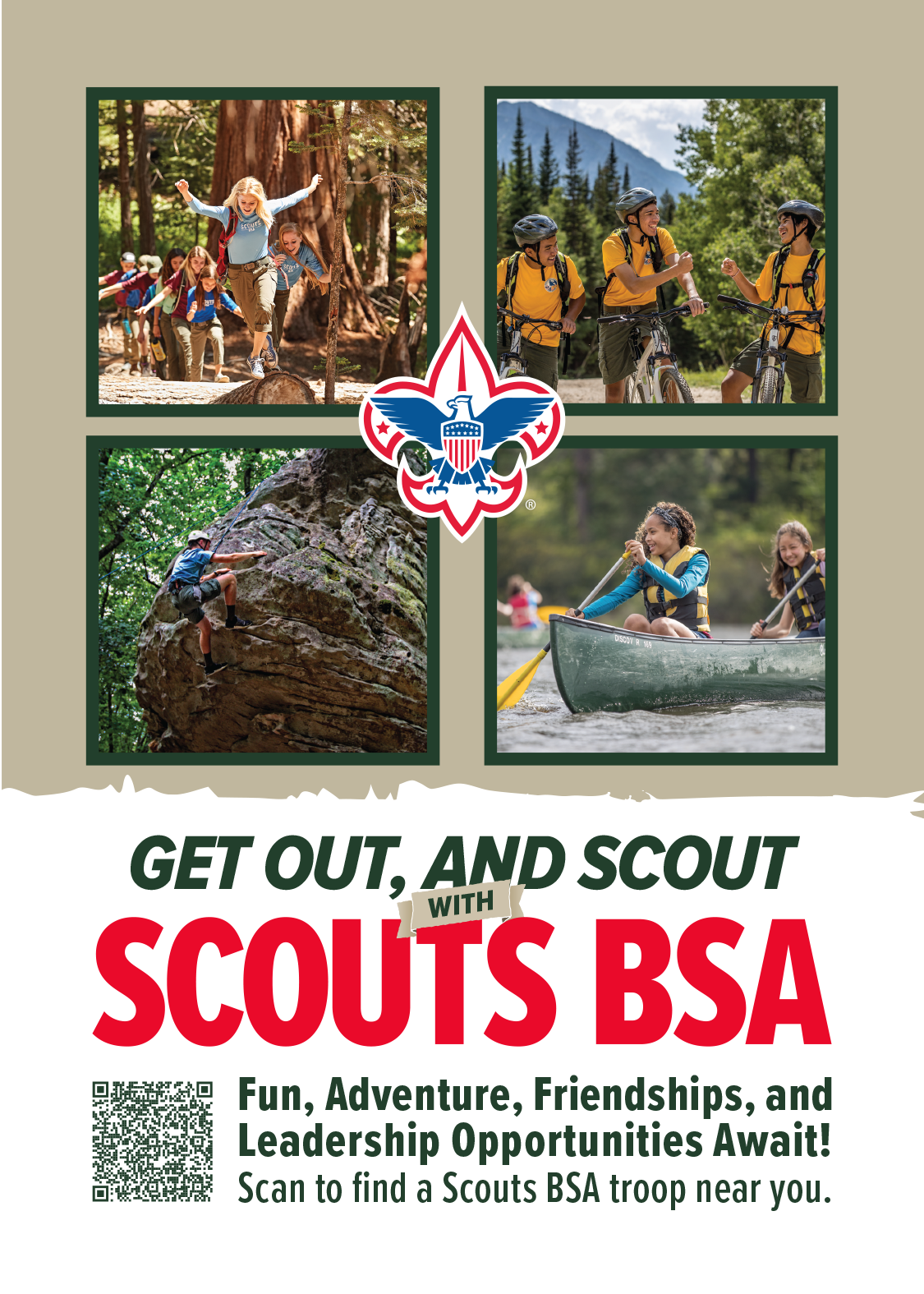
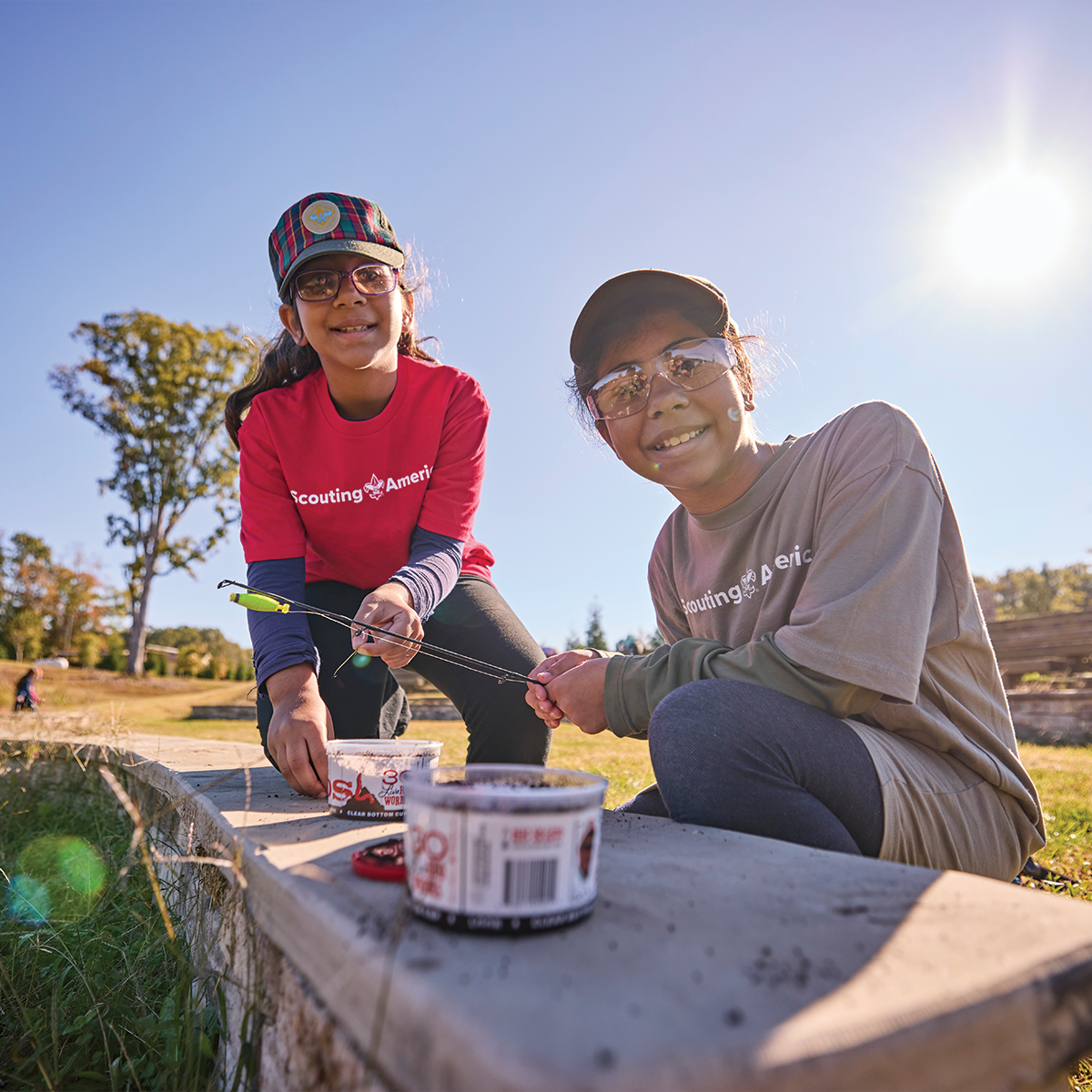
Key Concept: Youth-to-Youth Recruiting
Scouts BSA troops should be youth-led, and recruiting can be youth-led too. Troops recruit most successfully when Scouts help plan a program they are excited about and then invite their friends to participate.
- Let the Patrol Leaders Council lead. Ask what activities their peers would want to try.
- Empower Scouts to invite friends. Peer invitations can be more persuasive than adult recruiting messages.
- Use youth communication channels responsibly. Teach safe and appropriate online behavior while allowing Scouts to share what their troop is doing.
- Reach parents too. Adult leaders should explain how the troop works, but current Scouts can often "seal the deal" with their peers.
Program & Activities: What You Do Is Why They'll Join
Troops and patrols can distinguish themselves by building a robust activity program that is exciting to current Scouts and appealing to prospective members.
Possible program areas include:
- Hiking, orienteering, backpacking, cooking, winter camping, and wilderness survival
- Caving, rappelling, climbing, COPE, fishing, cycling, and pioneering
- SCUBA, paddle sports, canoeing, and kayaking
- Rifle, shotgun, archery, and other approved range & target activities
- First aid, emergency preparedness, games, sports, music, and STEM
High-adventure goals can also shape a troop's program. Philmont, Northern Tier, Sea Base, Summit Bechtel Reserve, council high-adventure programs, and do-it-yourself trips can give Scouts something challenging to prepare for together.
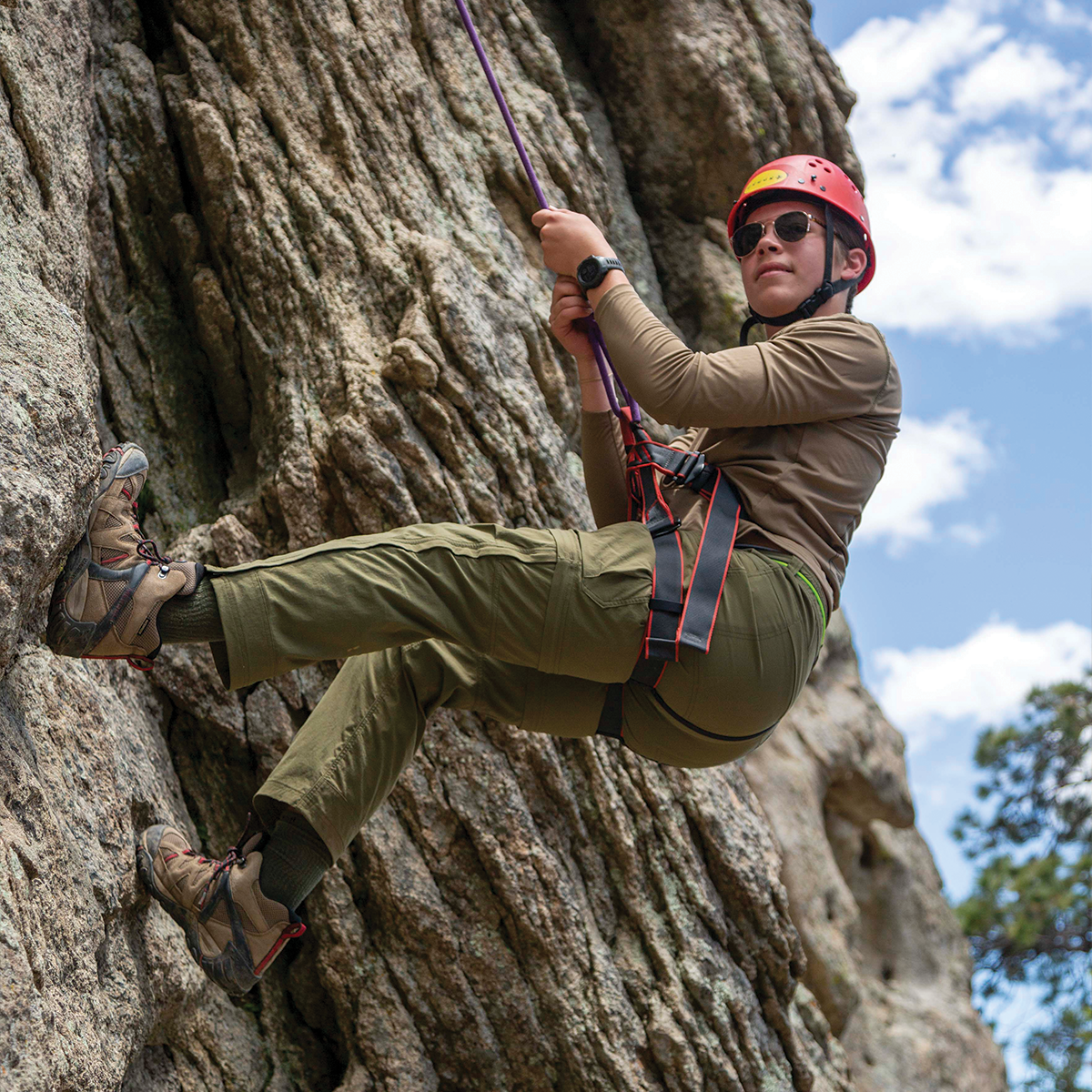
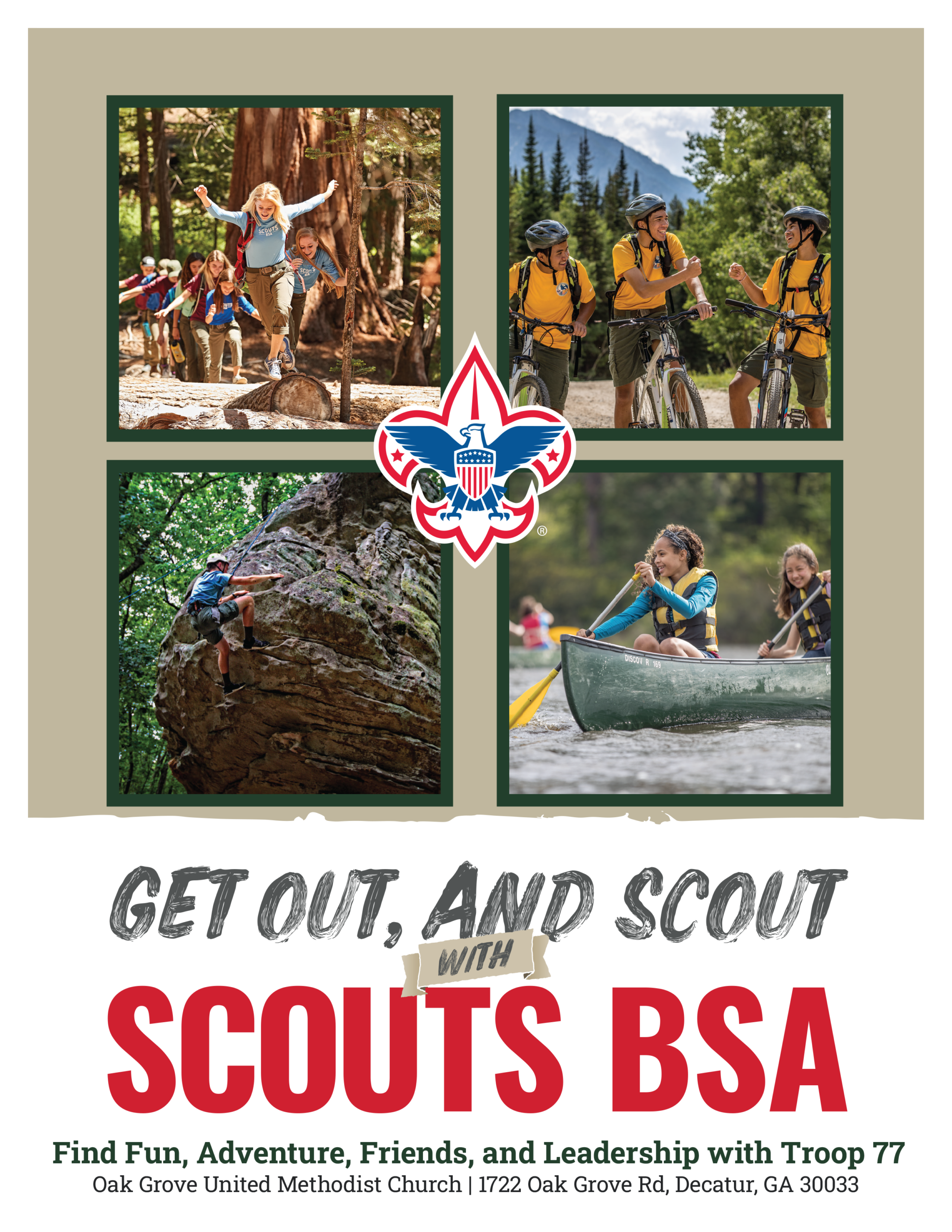
Promote Your Troop
Do not hide in your Scout hut. Use flyers, photos, videos, websites, social media, community relationships, and local media to show people what your troop actually does.
- Show activities, not just meetings. Promote upcoming outings and recent experiences.
- Use the channels your audiences use. Parents may use Facebook while youth may use other social platforms.
- Teach safe social media use. Help Scouts share responsibly and follow Scouting America's youth protection and personal safety guidance.
- Use real troop photography. Photos and video of your own Scouts are often more persuasive than generic promotional content.
- Create simple flyers. Keep editable materials available for parents and Scouts to share.
- Tell your stories. Service projects, campouts, awards, open houses, high-adventure trips, and upcoming events can all be shared with local media and community partners.
Troop Open House Events
Troop recruiting is more youth-focused than Cub Scout recruiting because prospective Scouts themselves will decide whether they want to join. The best open houses and welcoming events are active, hands-on, and representative of your troop's real program.
Possible events include:
- A troop meeting featuring fire building, cooking, pioneering, or other Scout skills
- A service project that Scouts invite friends to join
- A climbing gym outing, bowling night, pizza event, fishing day, or other activity selected by the Patrol Leaders Council
- A campout, hike, bike ride, or outdoor event where guests can experience the troop in action
Remember the Parents
Even when youth-to-youth recruiting is the primary focus, adult leaders should help parents understand the troop's values, positive outcomes, youth-led structure, costs, expectations, and opportunities for parent support.
Provide a simple orientation or FAQ covering topics such as youth leader elections, Patrol Leaders Council operations, advancement, camping, communication, and other troop procedures.
Cub Scout Contacts & Fifth Grade Scouts
Build relationships with Cub Scout packs before crossover season. Let Cub Scouts and their families see what your troop does by helping with Cub Scout activities, inviting Arrow of Light dens to participate, and supporting pack events.
- Help with Arrow of Light activities. Troop visits and Patrol Method experiences can satisfy Cub Scout requirements while introducing families to your troop.
- Make visits memorable. A troop visit does not have to be a regular meeting; it can be a hike, cookout, bike ride, fishing event, service project, or campout.
- Think beyond one class. Build relationships with younger Cub Scouts too, creating a long-term connection between the pack and troop.
- Use Den Chiefs. Scouts serving with Cub Scout dens can help build familiarity and excitement about Scouts BSA.
- Help at pack events. Pinewood Derby and other pack activities are opportunities for your Scouts to be visible and helpful.

Do Not Forget Other Fifth Graders
Fifth graders age 10 or older may join a Scouts BSA troop after March 1, even if they did not earn the Arrow of Light or participate in Cub Scouting. Include these youth in spring recruiting efforts rather than waiting for the end of the school year.