
RECRUITING PARENTS INTO HELPERS & LEADERS
Great Programs Start with Great Leaders.
Growing a unit requires more than recruiting Scouts. It requires enough adults to provide a strong, safe, and sustainable program. Successful leadership teams are built by creating a culture in which parents understand that everyone can contribute.
There is no single solution for recruiting adult leaders. The key is to continually create opportunities for parents to help, succeed, and gradually take on greater responsibility.
Topics on This Page:
RECRUITING RESOURCES
Turn Parents Into Helpers & Helpers Into Leaders
An influx of new Scouts requires additional adult support. Every den and pack benefits from continually identifying parents who can help with program delivery, administration, activities, and leadership.
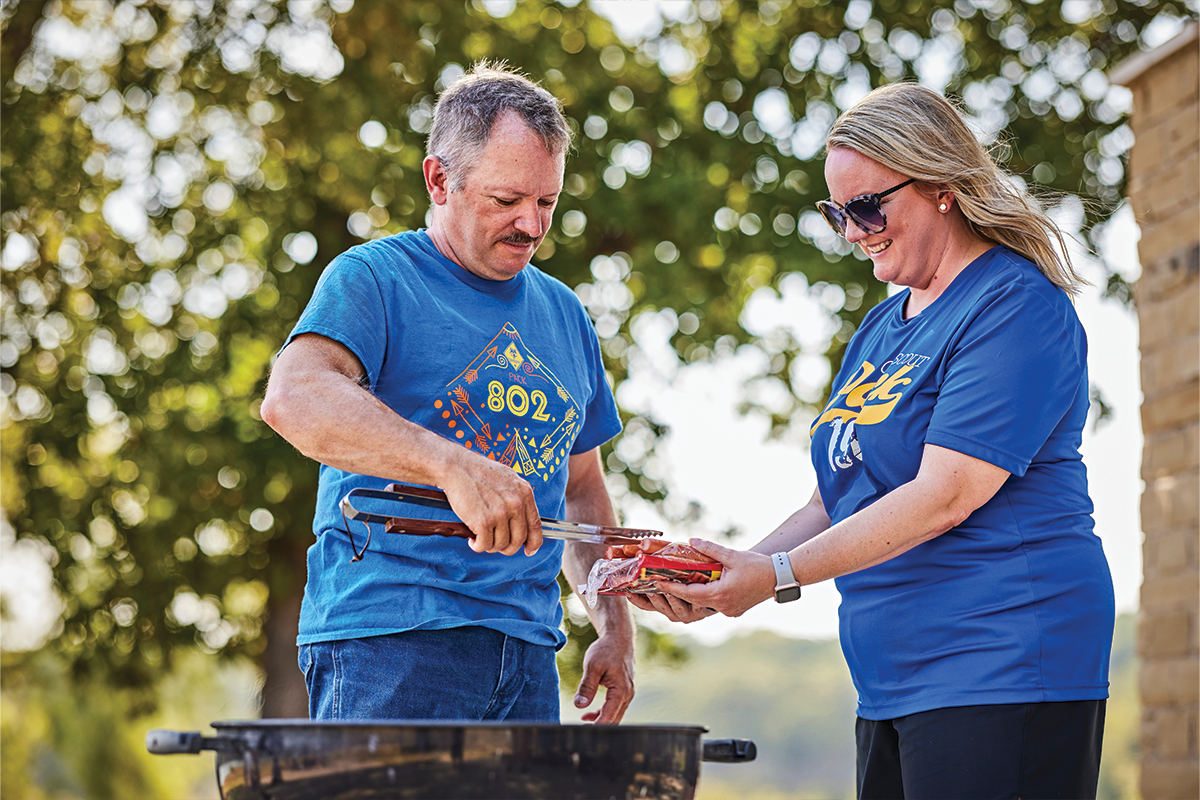
Parents may hesitate when immediately asked to accept a formal leadership title. Give them opportunities to participate first. A parent who successfully leads a game, field trip, activity, or part of a Cub Scout Adventure may discover that leadership is easier and more rewarding than expected.
Set Expectations Early
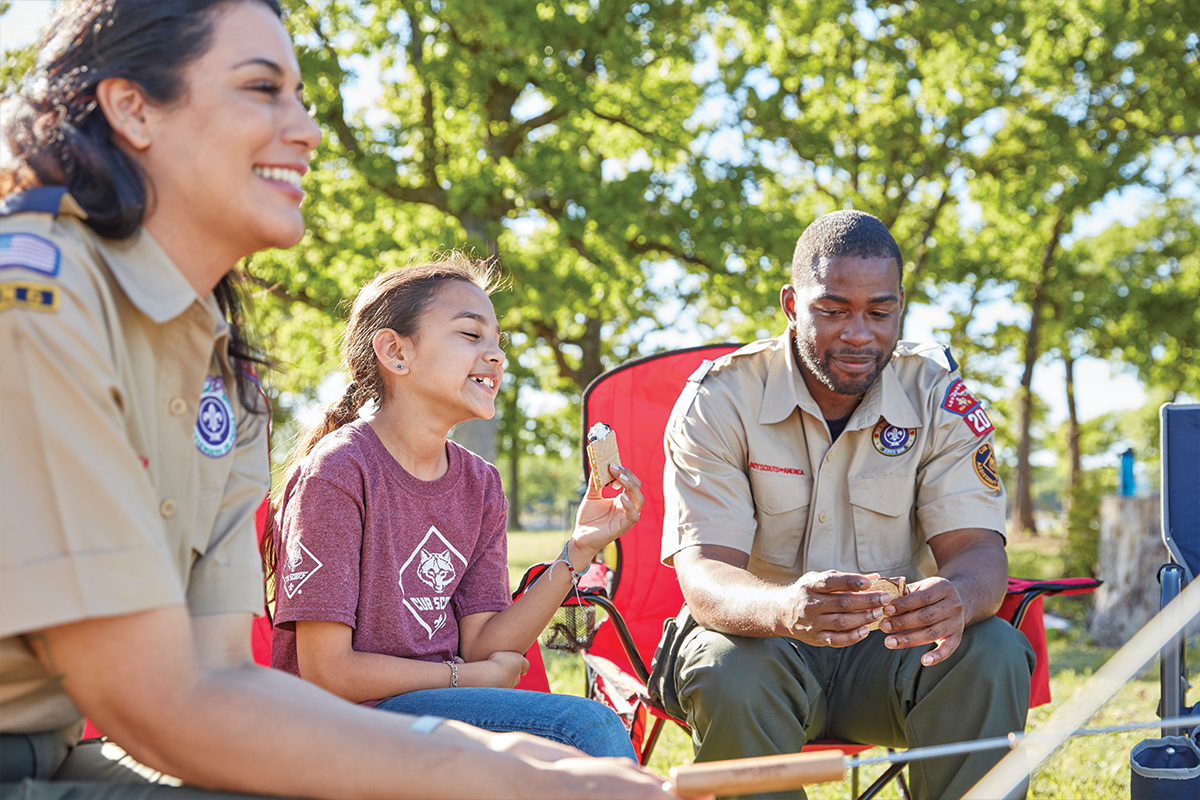
Help families understand from the beginning that Cub Scouting works best when parents participate. Show them the different ways they can contribute and divide large responsibilities into manageable jobs.
Parents can help with:
- Den activities.
- Pack events.
- Transportation.
- Food and refreshments.
- Communications.
- Advancement.
- Camping and outings.
- Registration and welcoming.
- Committee responsibilities.
Start with a Small Task Ask
A broad request such as "Who wants to volunteer?" is easy to ignore. A specific, personal request is much more effective.
Examples include:
- "Could you lead this game?"
- "Could you organize our fishing trip?"
- "Could you teach this skill?"
- "Could you help welcome families at our next activity?"
- "Could you lead one part of this Adventure?"
A successful small assignment can become the first step toward a larger leadership role.
Use Activities to Engage Adults
Your activity calendar can also become an adult recruiting tool. Get to know what parents enjoy and ask them to help with activities that fit their interests.
A parent who enjoys fishing may help coordinate a fishing event. A cyclist may help plan a bike ride. A parent with STEM experience may enjoy leading an activity. Look for natural connections between people and program opportunities.
Advancement can also provide an easy entry point because parents already help their own Scout complete Adventures. Invite them to help other families learn and participate too.
Recruit Personally
Get to know prospective leaders one person at a time. Learn about their interests, skills, experience, schedule, and comfort level before suggesting a role.
Personal invitations are generally more effective than announcements asking someone, anyone, to volunteer.
Right-Size Your Program
If your unit does not currently have enough leaders to support significant growth, recruit carefully. Add leadership capacity as youth membership grows and avoid placing an unsustainable workload on a small number of volunteers.
Sometimes simplifying activities or dividing responsibilities among more adults can make leadership much more manageable.
Plan for Succession
Leader recruiting is not only about filling today's vacancies. Identify future assistants, committee members, den leaders, and successors before current leaders leave their roles.
A healthy unit continually develops new helpers and leaders so knowledge and responsibilities can be passed from one generation of families to the next.
Recognize Helpers & Leaders
Thank and recognize the adults who contribute. Appreciation reinforces that helping is valued and shows other families that participation can be enjoyable and rewarding.
Recognition does not have to be complicated. A sincere thank-you at a pack activity, email, newsletter mention, certificate, or simple public acknowledgment can make a difference.
Next, put your growing leadership team to work building a stronger School & Community Presence.